Request an appointment
Reserve your spot with our medical team in just minutes.
What is anemia?
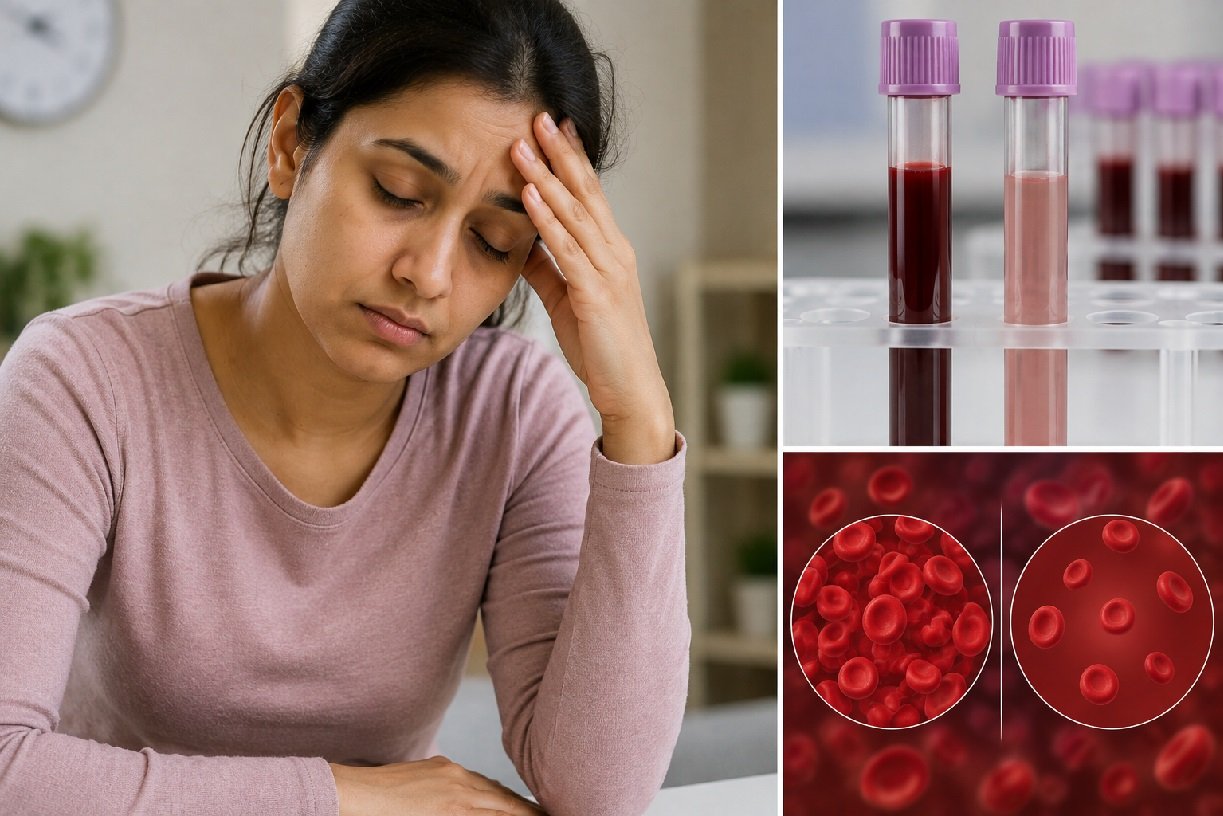
Anemia is defined as low in hemoglobin (Hb).
In Men: Hb<13.0g/dl
In Women: Hb < 12.0 g/dl
Severity of Anemia (Adults)
-
Mild: 11-12.9g/dl
-
Moderate: 8-10.9g/dl
-
Severe:<8g/dl
FAQ
- Blood loss (heavy periods, ulcers, piles, Gastrointestinal bleeding)
- Chronic kidney disease
- Chronic liver disease
- Bone marrow disorder
- Inherited disorders such as thalassemia or sickle cell disease
Symptoms may include:
- Fatigue and weakness
- Shortness of breath on exertion
- Dizziness
- Pale skin
- Cold hands and feet
Palpitation (feeling of heartbeat
By getting blood testing:
CBC (complete blood count)
Peripheral smear
Iron studies (serum ferritin, iron, TIBC)
Vitamin B12
Reticulocyte count
Stool test for occult blood
Endoscopy or Colonoscopy
Yes, in some adults it may indicate digestive tract disorder like ulcers, polyp , cancers.
- Green leafy vegetables like spinach
- Beans
- Peanut butter
- Raisins
- Watermelon
- Jaggery
Vitamin C- rich foods such as oranges, lemons, guava and amla
First sign of iron improvement is feeling better which usually occur within 2-4 weeks of treatment, but iron supplement should be continued for about 3 months.
Yes, it can be prevented by eating balanced diet.
- Soy, Almond, or Oat Milk, Yogurt
- Unfortified yeast
- Eggs
- Red meat and Poultry
- Persistent fatigue
- Breathlessness
- Dizziness
- Blood in stool or black stool
- Unexplained weight loss
- Anemia not improving with treatment
Gastroenterologist may recommend if:
- Blood in stool or black stool
- Weight loss, abdominal pain
- Altered bowel habits
Gastroenterologist may recommend if:
- Blood in stool or black stool
- Weight loss, abdominal pain
- Altered bowel habits